🏠 Stay at home! 25% discount on all medicines

-50%

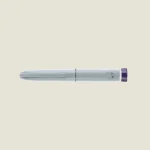
Zepbound® KwikPen®
Original price was: $499.00.$200.00Current price is: $200.00.

Azulfidine® En-Tabs
Original price was: $261.60.$130.80Current price is: $130.80.
Cleocin®
Original price was: $188.70.$94.35Current price is: $94.35.
Description
Cleocin® Details
Information sourced from the Pfizer Prescribing Information Patient Information. View Patient Information (PDF). Last updated January 25, 2026.
CLEOCIN Vaginal Cream 2%, is indicated in the treatment of bacterial vaginosis (formerly referred to as Haemophilus vaginitis, Gardnerella vaginitis, nonspecific vaginitis, Corynebacterium vaginitis, or anaerobic vaginosis). CLEOCIN Vaginal Cream 2%, can be used to treat non-pregnant women and pregnant women during the second and third trimester. NOTE: For purposes of this indication, a clinical diagnosis of bacterial vaginosis is usually defined by the presence of a homogeneous vaginal discharge that (a) has a pH of greater than 4.5, (b) emits a “fishy” amine odor when mixed with a 10% KOH solution, and (c) contains clue cells on microscopic examination. Gram’s stain results consistent with a diagnosis of bacterial vaginosis include (a) markedly reduced or absent Lactobacillus morphology, (b) predominance of Gardnerella morphotype, and (c) absent or few white blood cells. Other pathogens commonly associated with vulvovaginitis, e.g., Trichomonas vaginalis, Chlamydia trachomatis, N. gonorrhoeae, Candida albicans, and Herpes simplex virus should be ruled out.
CLEOCIN Vaginal Cream 2%, is contraindicated in individuals with a history of hypersensitivity to clindamycin, lincomycin, or any of the components of this vaginal cream. CLEOCIN Vaginal Cream 2%, is also contraindicated in individuals with a history of regional enteritis, ulcerative colitis, or a history of “antibiotic-associated” colitis.
Pseudomembranous colitis has been reported with nearly all antibacterial agents, including clindamycin, and may range in severity from mild to life-threatening. Orally and parenterally administered clindamycin has been associated with severe colitis which may end fatally. Diarrhea, bloody diarrhea, and colitis (including pseudomembranous colitis) have been reported with the use of orally and parenterally administered clindamycin, as well as with topical (dermal and vaginal) formulations of clindamycin. Therefore, it is important to consider this diagnosis in patients who present with diarrhea subsequent to the administration of clindamycin, even when administered by the vaginal route, because approximately 5% of the clindamycin dose is systemically absorbed from the vagina. Treatment with antibacterial agents alters the normal flora of the colon and may permit overgrowth of clostridia. Studies indicate that a toxin produced by Clostridioides difficile is a primary cause of “antibiotic-associated” colitis. After the diagnosis of pseudomembranous colitis has been established, therapeutic measures should be initiated. Mild cases of pseudomembranous colitis usually respond to discontinuation of the drug alone. In moderate to severe cases, consideration should be given to management with fluids and electrolytes, protein supplementation, and treatment with an antibacterial drug clinically effective against Clostridioides difficile colitis. Onset of pseudomembranous colitis symptoms may occur during or after antimicrobial treatment. PRECAUTIONS: General – CLEOCIN Vaginal Cream 2%, contains ingredients that will cause burning and irritation of the eye. In the event of accidental contact with the eye, rinse the eye with copious amounts of cool tap water. The use of CLEOCIN Vaginal Cream may result in the overgrowth of nonsusceptible organisms in the vagina. In clinical studies involving 600 non-pregnant women who received treatment for 3 days, Candida albicans was detected, either symptomatically or by culture, in 8.8% of patients. In 1325 non-pregnant women who received treatment for 7 days, C. albicans was detected in 10.5% of patients. In 180 pregnant women who received treatment for 7 days, C. albicans was detected in 13.3% of patients. Vaginitis was recorded for 4 non-pregnant women who received treatment for 7 days and bacterial vaginitis was recorded for 1 pregnant woman who received treatment for 7 days. Information for the Patient – The patient should be instructed not to engage in vaginal intercourse or use other vaginal products (such as tampons or douches) during treatment with this product. The patient should also be advised that this cream contains mineral oil that may weaken latex or rubber products such as condoms or vaginal contraceptive diaphragms. Therefore, the use of such products within 72 hours following treatment with CLEOCIN Vaginal Cream 2% is not recommended. Drug Interactions – Clindamycin has been shown to have neuromuscular blocking properties that may enhance the action of other neuromuscular blocking agents. Therefore, it should be used with caution in patients receiving such agents. Carcinogenesis, Mutagenesis, Impairment of Fertility – Long term studies in animals have not been performed with clindamycin to evaluate carcinogenic potential. Genotoxicity tests performed included a rat micronucleus test and an Ames Salmonella reversion test. Both tests were negative. Fertility studies in rats treated orally with up to 300 mg/kg/day (31 times the human exposure based on mg/m2) revealed no effects on fertility or mating ability. Pregnancy – Teratogenic effects: Pregnancy Category B – Reproduction studies have been performed in rats and mice using oral and parenteral doses of clindamycin up to 600 mg/kg/day (62 and 25 times, respectively, the maximum human dose based on body surface area) and have revealed no evidence of harm to the fetus due to clindamycin. There are, however, no adequate and well-controlled studies in pregnant women during the first trimester of pregnancy. In clinical trials involving pregnant women during the second trimester, no adverse effects on pregnancy outcome related to CLEOCIN Vaginal Cream 2% were detected. CLEOCIN Vaginal Cream 2% should be used during the first trimester of pregnancy only if clearly needed. Nursing Mothers – It is not known if clindamycin is excreted in human milk following the use of vaginally administered clindamycin phosphate. Clindamycin has been reported to appear in breast milk in ranges from <0.5 to 3.8 mcg/mL following oral or parenteral clindamycin administration. Clindamycin has the potential to cause adverse effects on the breastfed infant’s gastrointestinal flora. If oral or intravenous clindamycin is required by a nursing mother, it is not a reason to discontinue breastfeeding, but an alternate drug may be preferred. The developmental and health benefits of breastfeeding should be considered along with the mother’s clinical need for clindamycin and any potential adverse effects on the breastfed child from clindamycin or from the underlying maternal condition. Pediatric Use – Safety and effectiveness in pediatric patients have not been established.
Reviews (0)
Shipping and Delivery



















Reviews
There are no reviews yet.